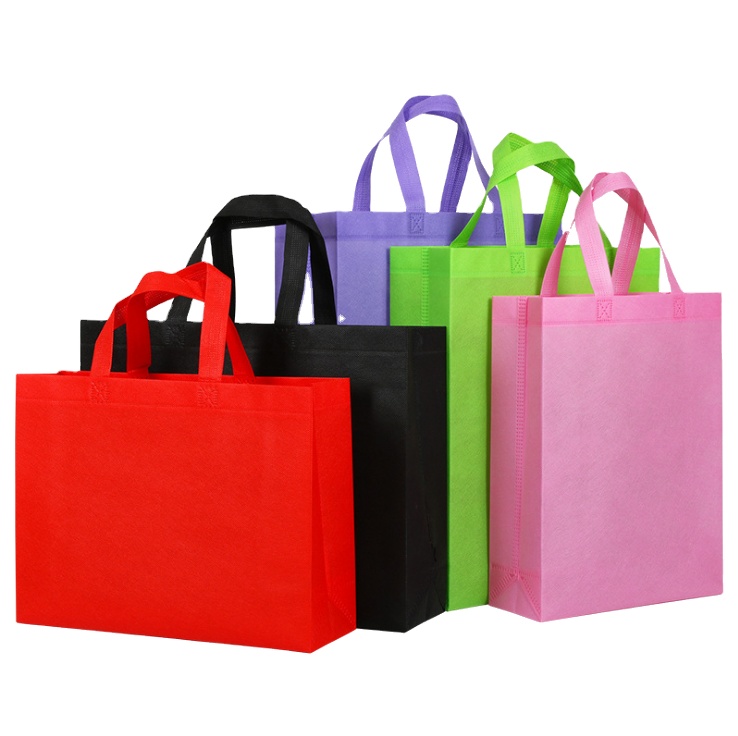
Recently, with the in-depth popularization of environmental protection concepts and the diversified upgrading of consumer demands, the non-woven fabric (also known as nonwovens) industry has ushered in a new round of development opportunities. As a new type of material made from oriented or randomly arranged fibers through friction, cohesion, bonding, or a combination of these methods, non-woven fabrics, relying on their flexible process characteristics and rich raw material options, are widely penetrating into various fields of daily life and commercial applications. From daily shopping to business office, from promotional activities to outdoor trips, various non-woven fabric derivative products continue to refresh market perception.
It is understood that the raw material system of non-woven fabrics is quite diverse. It not only covers chemical fibers such as polypropylene fiber (polypropylene), polyester fiber (polyester), polyamide fiber (nylon), polyacrylonitrile fiber (acrylic fiber) and viscose fiber, but also natural fibers such as cotton, hemp, wool and silk have been successfully applied in the production of non-woven fabrics. This provides sufficient material support for product research and development in different scenarios. Among them, Nonwoven Bags have become an ideal alternative to traditional plastic bags due to their light weight and degradable advantages, and their penetration rate in retail scenarios such as supermarkets and convenience stores continues to rise. Meanwhile, Cotton Canvas Bags, which combine practicality and environmental protection, have gained favor among consumers pursuing quality life. Thanks to the addition of natural cotton fiber raw materials, they not only retain the flexibility of non-woven fabrics but also add a retro texture.
In the fields of business and daily travel, non-woven fabric products also show strong market competitiveness. Laptop Briefcases designed for business people adopt non-woven fabrics made of high-strength polyester fiber as the core fabric. They have the characteristics of water resistance, wear resistance and impact resistance, which can effectively protect electronic devices. At the same time, the lightweight design reduces the travel burden. For Shopping Bags that meet daily shopping needs, through diversified raw material combinations (such as the blending of polypropylene fiber and viscose fiber), the balance between load-bearing capacity and hand feel is achieved. When folded, they are small in size and easy to carry.
It is worth noting that in promotional and special scenario applications, non-woven fabric products also show a development trend of personalization and functionalization. Promotional PVC Bags customized by enterprises combine non-woven fabrics with PVC materials. They not only ensure the durability of the products but also display the brand image through printing technology, making them a popular choice in marketing activities. For Cooler Bags, Wine Bags and Lunch Bags targeting catering and outdoor scenarios, they utilize the thermal insulation and heat insulation properties of non-woven fabrics, combined with a waterproof inner layer design, which can effectively maintain the temperature of food and drinks and provide consumers with convenient travel solutions.
Industry insiders said that with the continuous breakthrough of raw material technology and the optimization of production processes, the non-woven fabric industry will further expand its application boundaries. In the future, it is expected to achieve more innovations in fields such as medical and health care, home decoration and automobile interiors. Moreover, consumers' demands for environmentally friendly, practical and personalized products will continue to drive the industry towards greenization, diversification and high-endization, injecting more vitality into the market.
Classification of non-woven fabrics
Non-woven fabrics can be divided into the following 8 categories according to the production process: spunlaced non-woven fabric, thermal bonded non-woven fabric, pulp air into mesh non-woven fabric, wet non-woven fabric, spunbond non-woven fabric, melt-blown non-woven fabric, needled non-woven fabric, stitch-knitted non-woven fabric
Advantages of non-woven fabric
1. Environmental protection: Non woven bags are reusable bags that have higher environmental performance compared to traditional plastic bags. The use of non-woven bags can reduce the use of plastic bags, thereby reducing environmental pollution.
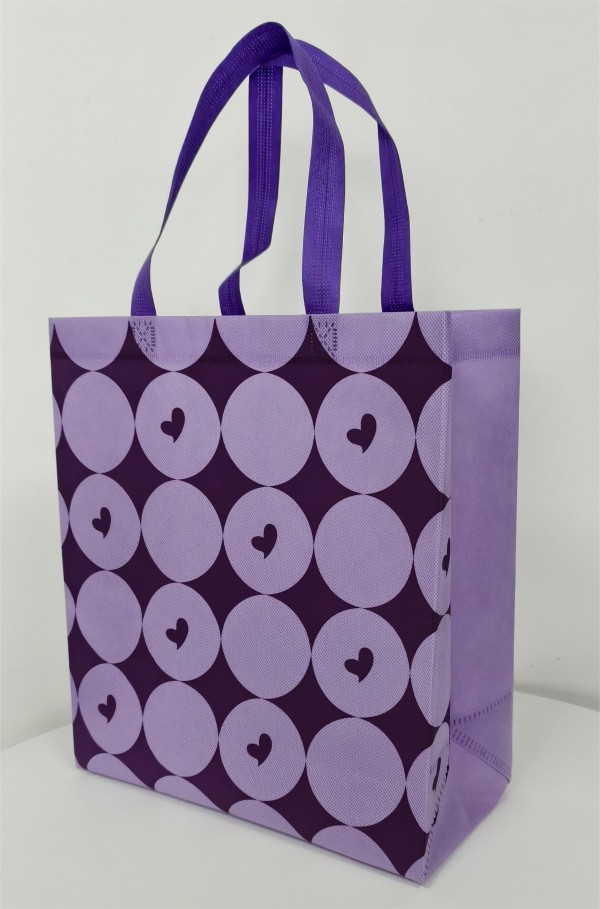
2. Durable: Non woven bags are tough and durable, with a beautiful appearance and good breath-ability. They can be reused, washed, and have a long service life. Non woven materials have good wear resistance and tensile strength, and can be reused.
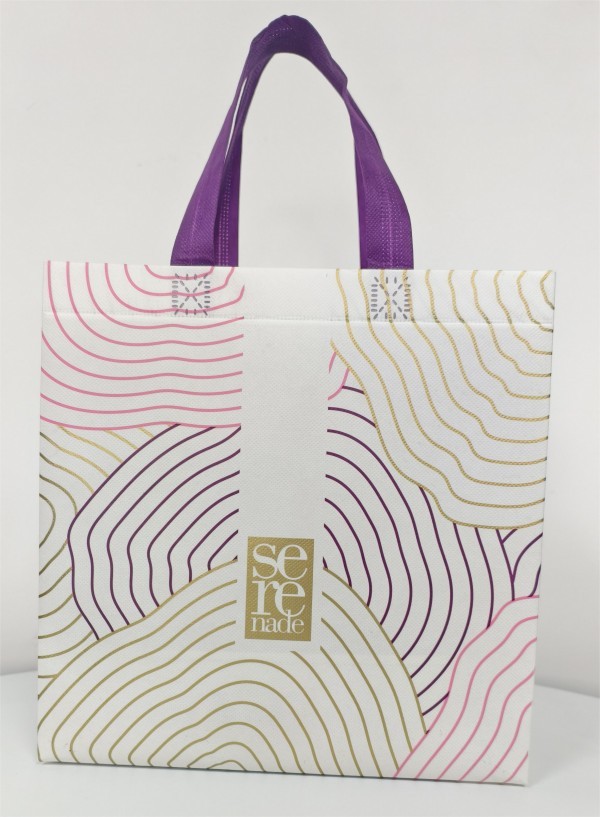
3. Aesthetics: Non woven bags can be printed according to customer requirements and have a beautiful appearance, which has gradually become a way for businesses to promote their brands.
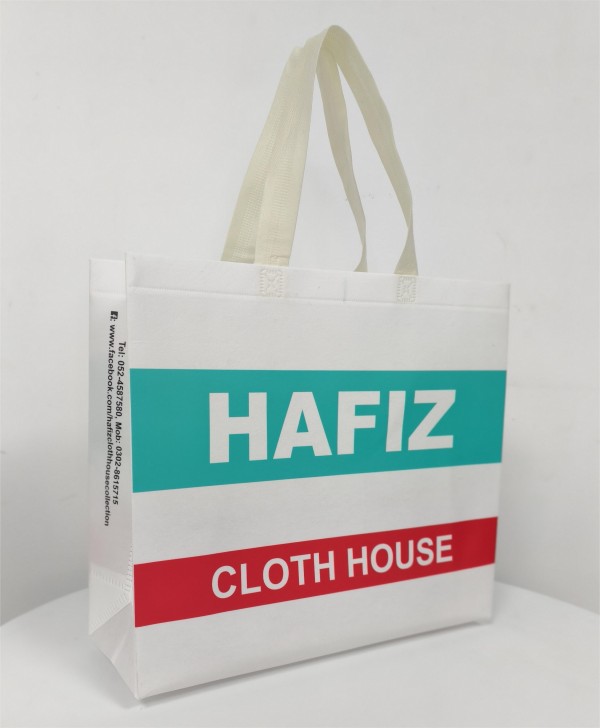
4. Multi-functionality: Non woven fabric bags have multiple functions, such as waterproofing, moisture-proof, antibacterial, etc., which can meet different usage needs.