With the global implementation of "plastic bans" and growing consumer environmental awareness, a quiet revolution in "packaging" is underway. From daily shopping to business commuting and outdoor leisure, various eco-friendly bags that combine functionality and style are rapidly integrating into all aspects of modern life, becoming new carriers for promoting a green lifestyle.
The New Shopping Essential: The "All-Round Stage" for Eco-Friendly Bags
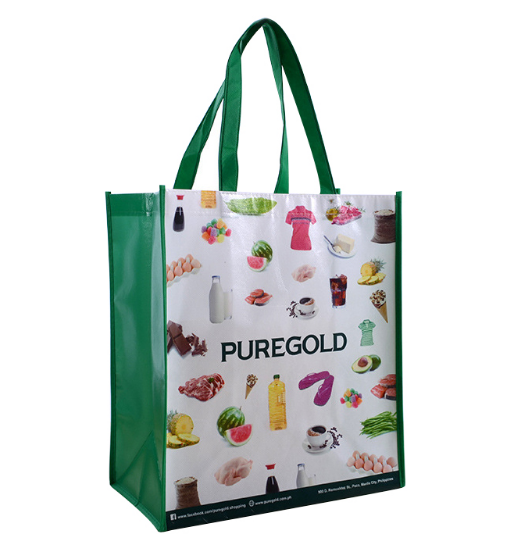
There was a time when lightweight but polluting plastic bags were synonymous with shopping bags. Today, this role has been taken over by more sustainable products. Durable and cost-effective non-woven bags, which are reusable and ideal for printing, have become the preferred alternative to promotional PVC bags for businesses, widely used in exhibitions and promotional events. Meanwhile, cotton canvas bags, with their superior texture and retro style, have become a favorite among younger generations for their versatility, serving as fashion statements that express individuality.
Business and Leisure: The "Crossover Integration" of Functional Bags
The eco-friendly trend is not limited to shopping but extends to work and lifestyle. For urban professionals, a well-designed and thoughtfully compartmentalized laptop briefcase is essential for mobile offices. Today, many brands are skillfully combining eco-friendly materials with business designs, allowing professional image and green principles to coexist.
At the same time, the market for functional bags tailored to specific needs is booming. Whether it's the cooler bag used for keeping items fresh during weekend outings, the elegant wine bag for carrying bottled wine to social gatherings, or the lunch bag office workers use daily to carry healthy meals, products that were once made of plastic or foam are now increasingly adopting more sustainable materials and designs, balancing insulation, waterproofing, and aesthetic appeal.
Industry Insight: Eco-Friendliness Is an Attitude and a Business Model
Industry experts point out that the shift from single-use plastic products to reusable eco-friendly bags is no longer a simple product replacement but a completely new consumer culture and business model. A non-woven bag or cotton canvas bag printed with a company logo offers far greater advertising value over its lifecycle than a single-use promotional PVC bag. Functionally segmented products, such as cooler bags and laptop briefcases, enhance user experience and foster consumer brand loyalty.
"We have observed that consumers are willing to pay a premium for bag products with outstanding design, clear functionality, and a strong eco-friendly ethos," said the marketing director of a well-known bag brand. "A lunch bag can be stylish, and a wine bag can be elegant—this in itself is an expression of a lifestyle."
It is foreseeable that with advancements in material technology and innovations in design concepts, eco-friendly bags will continue to exceed expectations, reshaping our green, healthy, and fashionable lifestyle in every detail.
The New Shopping Essential: The "All-Round Stage" for Eco-Friendly Bags
There was a time when lightweight but polluting plastic bags were synonymous with shopping bags. Today, this role has been taken over by more sustainable products. Durable and cost-effective non-woven bags, which are reusable and ideal for printing, have become the preferred alternative to promotional PVC bags for businesses, widely used in exhibitions and promotional events. Meanwhile, cotton canvas bags, with their superior texture and retro style, have become a favorite among younger generations for their versatility, serving as fashion statements that express individuality.
Business and Leisure: The "Crossover Integration" of Functional Bags
The eco-friendly trend is not limited to shopping but extends to work and lifestyle. For urban professionals, a well-designed and thoughtfully compartmentalized laptop briefcase is essential for mobile offices. Today, many brands are skillfully combining eco-friendly materials with business designs, allowing professional image and green principles to coexist.
At the same time, the market for functional bags tailored to specific needs is booming. Whether it's the cooler bag used for keeping items fresh during weekend outings, the elegant wine bag for carrying bottled wine to social gatherings, or the lunch bag office workers use daily to carry healthy meals, products that were once made of plastic or foam are now increasingly adopting more sustainable materials and designs, balancing insulation, waterproofing, and aesthetic appeal.
Industry Insight: Eco-Friendliness Is an Attitude and a Business Model
Industry experts point out that the shift from single-use plastic products to reusable eco-friendly bags is no longer a simple product replacement but a completely new consumer culture and business model. A non-woven bag or cotton canvas bag printed with a company logo offers far greater advertising value over its lifecycle than a single-use promotional PVC bag. Functionally segmented products, such as cooler bags and laptop briefcases, enhance user experience and foster consumer brand loyalty.
"We have observed that consumers are willing to pay a premium for bag products with outstanding design, clear functionality, and a strong eco-friendly ethos," said the marketing director of a well-known bag brand. "A lunch bag can be stylish, and a wine bag can be elegant—this in itself is an expression of a lifestyle."
It is foreseeable that with advancements in material technology and innovations in design concepts, eco-friendly bags will continue to exceed expectations, reshaping our green, healthy, and fashionable lifestyle in every detail.